The Quiet Rise of the Deleted Tweet Archive
A devoted corner of the internet has made it its mission to preserve every hot take anyone ever tried to memory-hole.
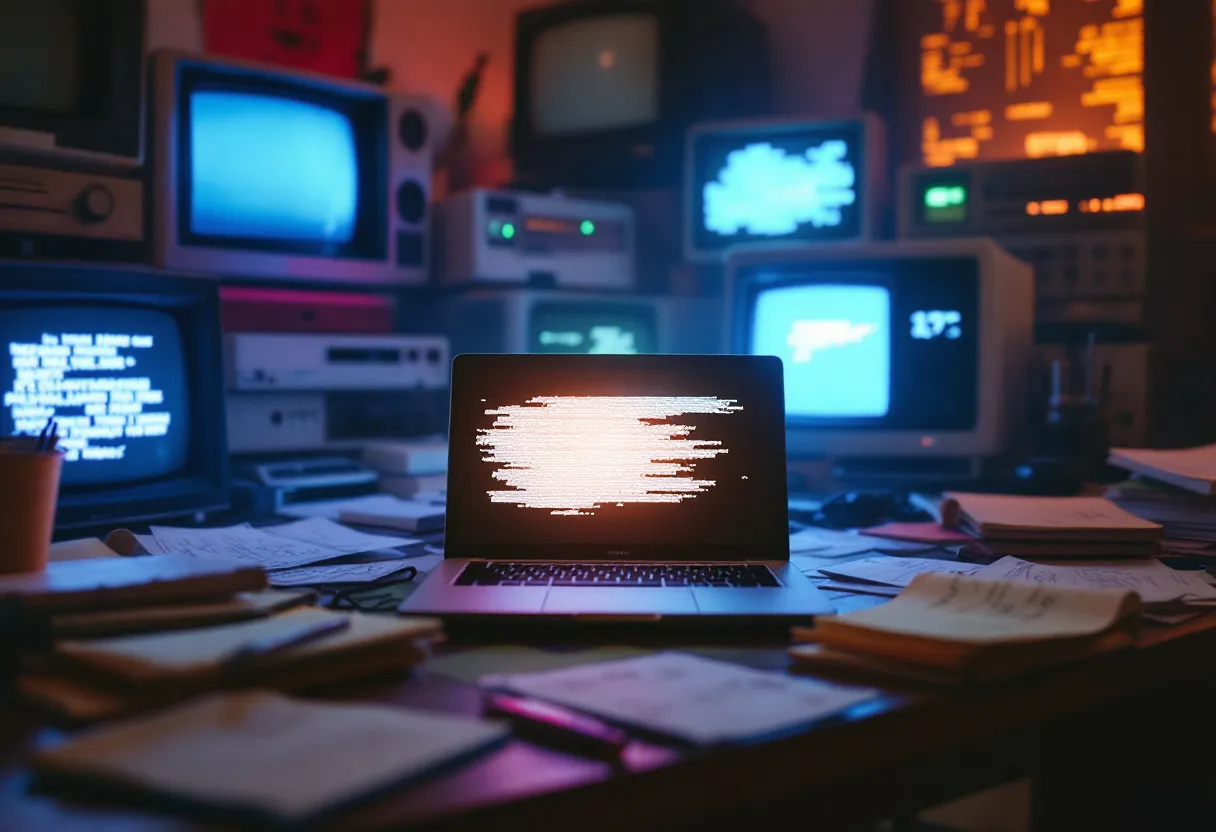
There is a particular kind of digital panic that strikes when someone realizes a years-old tweet is suddenly very relevant again. The solution, the delete button, feels clean, decisive, final. It is almost never any of those things.
Archive culture online has quietly matured into something surprisingly sophisticated. What began as screenshots passed around in group chats has evolved into semi-organized communities running automated tools, mirror sites, and searchable databases. The impulse is part accountability journalism, part petty score-settling, and part something harder to name: a genuine conviction that the internet should remember.
Why We Can't Let Anything Go
The tension at the heart of this phenomenon is a philosophical one dressed up in memes. On one side sits the very reasonable idea that people change, that context matters, that a 2012 opinion should not define a 2024 person. On the other sits an equally reasonable suspicion that convenient forgetting is its own form of dishonesty, especially for public figures whose old words carry public weight.
Platforms themselves have complicated the picture. When Twitter became X and began restricting API access, many third-party archiving tools broke overnight. Archivists scrambled. Some communities went dark. Others simply got more creative, leaning harder into manual screenshots, browser extensions, and distributed storage. The instinct to preserve proved more resilient than the infrastructure meant to enable it.
A Mirror We Didn't Ask For
What makes the deleted-tweet archive so fascinating as a cultural object is what it reveals about the nature of online identity. We perform differently depending on perceived audience, we test ideas in public, we make jokes that do not age well. The archive captures all of it indiscriminately, with no editorial judgment about what deserves to survive.
There is something almost geological about it, layers of personality sediment, compressed and preserved without permission. Historians of the future will probably find it invaluable. The people whose tweets are in there are less enthusiastic.
The archivists themselves tend to see their work as neutral, infrastructural, a public service. Whether you believe them probably depends entirely on whose tweets are being saved.
More stories

The Future of B2B Prospecting: Five Shifts Already Underway
Detecting Buying Signals With AI: From Noise to Next Best Action
Writing Openers That Prove You Did the Work
The first line of a cold email either shows a prospect you understand their situation or gives them permission to stop reading, here's how experienced sellers build openers that do the former.