The Aesthetics of Nowhere: How Liminal Spaces Took Over Visual Culture
Empty swimming pools, deserted airports, and fluorescent-lit hallways at 3am have become the defining images of a generation's ambient dread.

There is a particular photograph that circulates endlessly in certain corners of the internet. It shows a hotel corridor, beige carpet with a geometric pattern, fluorescent lighting slightly too yellow, doors extending into a perspective that should probably end sooner than it does. Nothing is wrong with the image, technically. Nothing in it is threatening. And yet virtually everyone who sees it reports an immediate, sourceless unease, a sense of wrongness that resists articulation.
This is the aesthetic of liminal spaces, and it has graduated from niche internet phenomenon to something embedded in architecture photography, graphic design, album art, and the visual language of ambient and lo-fi music. The empty pool, the airport at 4am, the school hallway in summer, these transitional, in-between places, stripped of the people who give them purpose, have become a potent and surprisingly versatile cultural shorthand.
What the Empty Room Contains
The concept draws on a legitimate anthropological term. Liminal, from the Latin for threshold, describes the in-between state, the doorway, the hallway, the waiting room, places defined by passage rather than habitation. What the internet aesthetic does is freeze that passage, remove the people in transit, and hold the camera on the space itself, which suddenly looks lost.
The resonance is broadly interpreted. Some read it as pandemic hangover, a collective memory of eerily emptied public spaces that became, briefly, real. Others see it as something longer-running: an expression of alienation from built environments that were always designed for function rather than feeling, and that reveal something uncomfortable when their function disappears.
From Meme to Medium
The Backrooms, a fictional mythology built around the image of an infinite, fluorescent-lit, yellow-carpeted office space, metastasized from a single image macro into an elaborate collaborative horror universe with multiple YouTube channels, games, and a wiki. This trajectory is instructive. The liminal space aesthetic does not stay still; it accumulates narrative, which might be the most telling thing about it.
People are not just looking at these images. They are building worlds inside them, populating the empty corridors with monsters and myths, as if the absence in the original images demanded to be filled.
The hallway goes on. Something might be around the corner. You cannot quite make yourself stop looking.
More stories
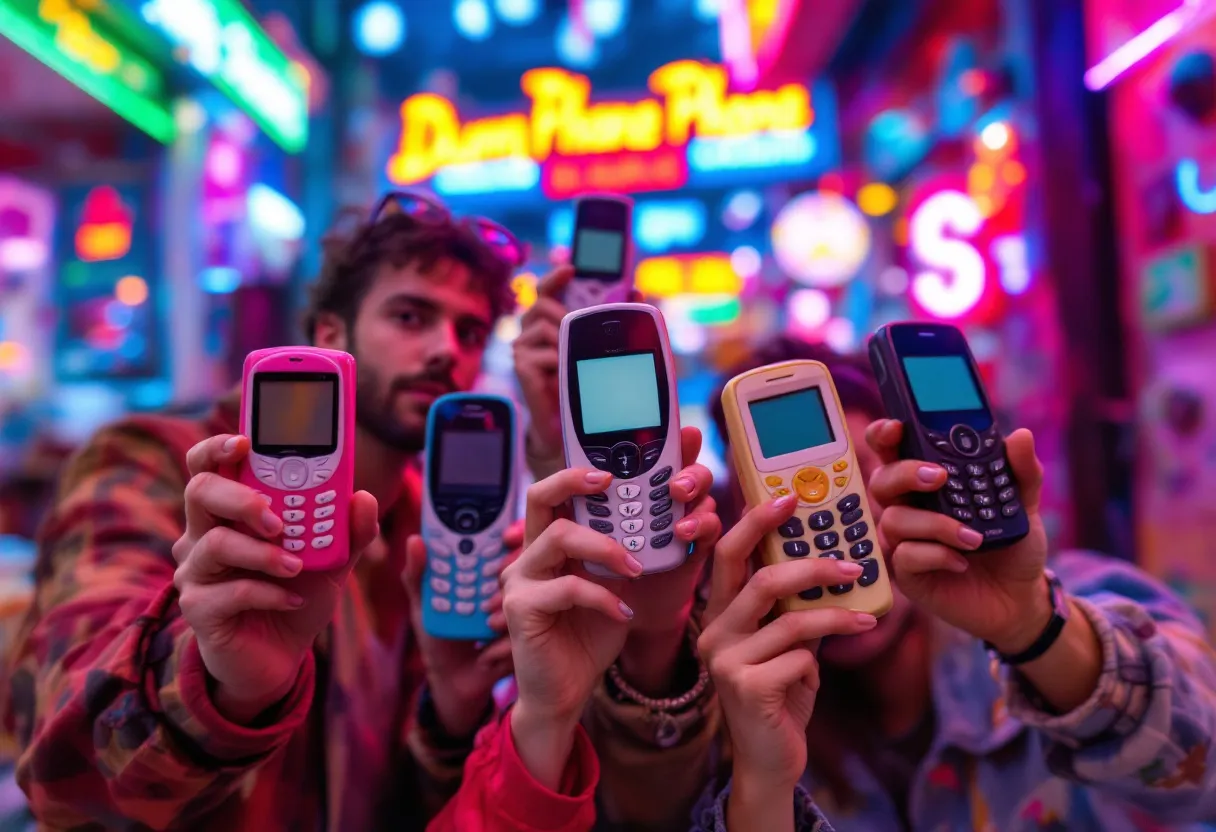
Dumb Phones Are Having a Very Smart Moment
A growing number of people are voluntarily downgrading their handsets, and the reasons go well beyond nostalgia.

The Future of B2B Prospecting: Five Shifts Already Underway